When it comes to taxes, it’s important to have all the necessary forms in order to properly file your returns. One such form is IRS Tax Form 8332, which is used to release a claim to exemption for a child to the noncustodial parent. This form is essential for divorced or separated parents who want to ensure that the correct parent claims the child as a dependent on their tax return.
Form 8332 is typically used when the custodial parent wants to release their right to claim the child as a dependent to the noncustodial parent. This can have significant implications for both parents, as claiming a child as a dependent can result in various tax benefits, such as the Child Tax Credit and the Earned Income Credit.
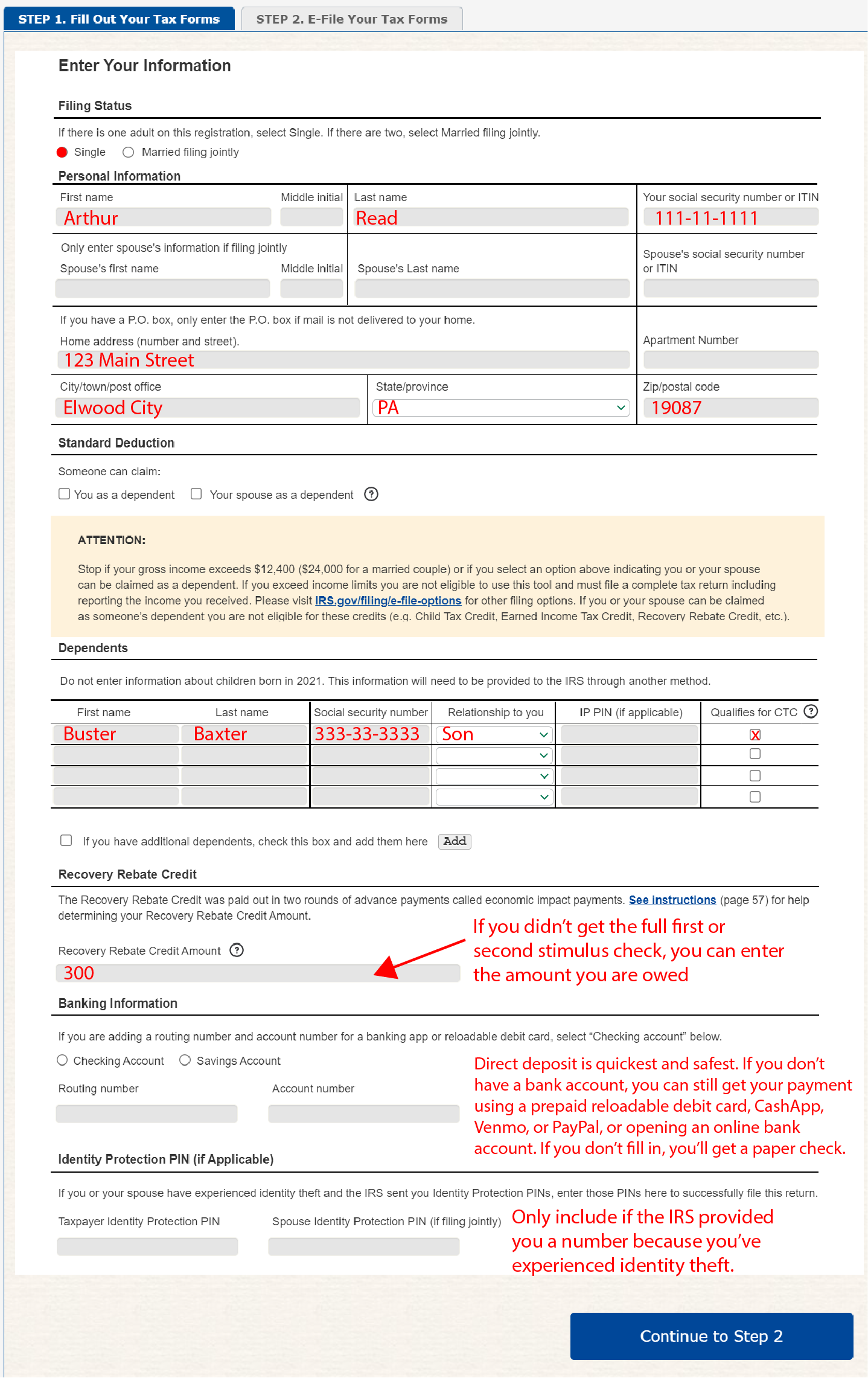 Irs Tax Form 8332 Printable
When filling out Form 8332, it’s important to provide accurate information about the child and both parents. The form must be signed and dated by the custodial parent in order to be valid. Once completed, the form can be attached to the noncustodial parent’s tax return to prove their right to claim the child as a dependent.
It’s important to note that Form 8332 is only valid for the tax year in which it is filed. If the noncustodial parent wishes to claim the child as a dependent in subsequent years, a new Form 8332 must be filed each year. Failure to do so could result in complications with the IRS and potential penalties.
Overall, IRS Tax Form 8332 is a vital document for divorced or separated parents who want to ensure that the correct parent claims the child as a dependent on their tax return. By providing accurate information and following the proper procedures, parents can avoid potential issues with the IRS and ensure that they receive the tax benefits to which they are entitled.
In conclusion, IRS Tax Form 8332 is an important form for divorced or separated parents to ensure that the correct parent claims the child as a dependent on their tax return. By understanding the purpose of the form and following the guidelines for completion, parents can navigate the complexities of tax law and ensure that they receive the tax benefits they deserve.